
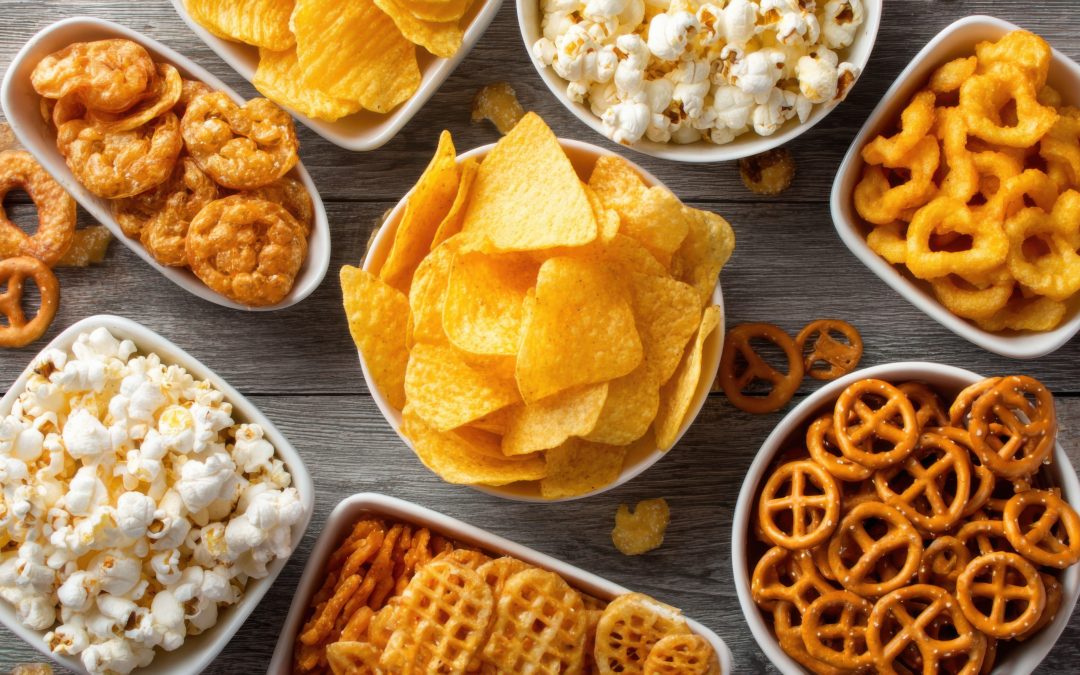
You weren’t hungry.
You weren’t thinking about food.
You were perfectly content, minding your own business, enjoying your cannabis…
…and then suddenly, BOOM.
That bag of chips in the pantry is looking at you differently.
The leftover pizza has somehow transformed into a five-star culinary experience.
You can hear someone opening a bag of popcorn three rooms away.
And that random box of cereal you’ve been ignoring?
Tonight is its night to shine.
For many cannabis consumers, the munchies are one of the most recognizable effects of getting high. But there’s more going on than simply wanting a snack.
So why does cannabis make you hungry? Why does food suddenly seem more appealing after consuming THC? And can the munchies actually be helpful for people who struggle with appetite?
The answer starts with the body’s endocannabinoid system and one very important receptor: CB1.
Let’s take a closer look at the science behind cannabis, THC, and appetite.
What Are the Munchies?
The “munchies” are the increase in appetite, hunger, or desire to eat that some people experience after consuming cannabis, particularly products containing THC (tetrahydrocannabinol).
While cannabis culture has turned the munchies into an endless supply of memes, researchers have been studying the relationship between cannabis and appetite for decades.
More recent human research has also found that inhaled cannabis can acutely increase food intake and motivation to eat, helping explain why the munchies can feel so powerful for some people.
The key player?
Your endocannabinoid system.
How the Endocannabinoid System Affects Appetite
The endocannabinoid system (ECS) is a signaling system throughout the body that plays a role in regulating processes including mood, sleep, pain, stress response, and appetite.
One of the ECS’s major components is the CB1 receptor.
CB1 receptors are found throughout the brain and nervous system and are involved in processes related to appetite, reward, sensory perception, and food-related behaviors.
Then along comes THC.
THC interacts with and activates CB1 receptors, influencing brain pathways involved in feeding behavior and the rewarding aspects of food.
Basically, THC can sometimes send your brain a message that sounds a little like:
“Hey… you know what would be REALLY good right now?”
Your stomach might respond:
“We’re actually fine.”
Your brain:
“Did I stutter? I said nachos.”
Why Does Cannabis Make You Hungry?
The answer isn’t necessarily that your body suddenly needs a massive amount of extra food.
Instead, THC can influence how strongly your brain responds to food.
Research suggests cannabis can affect both the motivation to eat and the rewarding qualities of food. In one controlled human study, THC increased participants’ ratings of how much they wanted and liked certain high-calorie foods and also increased consumption of a chocolate milkshake.
That can make everything about eating feel more appealing:
- The smell of fresh pizza
- The appearance of your favorite snack
- The anticipation of taking the first bite
- The flavor and texture of food
- The desire to keep eating once you start
This helps explain why the munchies aren’t always simply about physical hunger.
Sometimes, food just sounds really, really good.
Why Does Food Taste Better When You’re High?
There’s an important distinction between hunger and food reward.
THC can influence brain pathways involved in the rewarding aspects of eating. Research in humans has found that THC can increase the perceived appeal of certain foods, while other research has demonstrated increased food intake after cannabis use.
That may help explain the classic cannabis experience:
You weren’t particularly interested in eating before.
Then suddenly, the smell of buttery popcorn is basically irresistible.
The crunch of your favorite chips sounds amazing.
And that leftover pizza?
Absolutely gourmet.
The munchies aren’t necessarily your body screaming that it needs calories. THC can change the way your brain processes food, reward, and motivation to eat.
But Not Everyone Gets the Munchies
Here’s where cannabis gets interesting: There is no universal cannabis experience.
Some people get intensely snacky.
Some notice a small increase in appetite.
Some don’t experience the munchies at all.
And some people notice that the effect varies depending on the product they’re using.
Your experience can be influenced by factors such as:
- THC dose
- Individual biology
- Genetics
- Tolerance
- Cannabinoid profile
- Method of consumption
- Timing
- Your environment
- Whether you’ve recently eaten
So if your friend turns into a human vacuum cleaner after cannabis while you can barely remember that the refrigerator exists, neither experience is necessarily unusual.
Smoking vs. Edibles: Does How You Consume Cannabis Matter?
It can. Smoking and vaping allow cannabinoids to enter the bloodstream relatively quickly, while edibles take a different route through the digestive system and liver.
When THC is consumed orally, the body metabolizes it into several compounds, including 11-hydroxy-THC, which contributes to the distinct effects many people experience with edibles.
That doesn’t mean smoking always causes stronger munchies or that edibles always cause fewer. Instead, your experience may simply be different. You might be someone who raids the refrigerator after smoking but has little interest in food after an edible. Or maybe an edible turns you into a full-time snack-seeking machine.
Cannabis affects everyone differently, and the method of consumption is one factor that can change the experience.
Can the Munchies Actually Be Beneficial?
This is where the conversation gets more interesting.
While increased appetite isn’t necessarily something every cannabis consumer wants, appetite stimulation can be important for some people.
People experiencing appetite loss may have difficulty eating enough food to meet their nutritional needs. Persistent appetite loss can occur for many reasons, including certain illnesses and medical treatments.
Cannabinoid-based medicines have been studied for appetite stimulation, particularly in people experiencing conditions associated with significant appetite loss and wasting.
And eating isn’t only about calories.
Food is social.
It’s birthday cake.
It’s dinner with family.
It’s grabbing tacos with friends.
It’s sitting around a table and actually enjoying a meal.
For someone struggling with appetite, making food more appealing can potentially make eating feel less like a chore and more like something to look forward to.
That doesn’t mean cannabis is a replacement for proper nutrition or medical care. Appetite changes can have many underlying causes, and anyone experiencing persistent or unexplained appetite loss should talk with a healthcare professional.
But the relationship between THC and appetite is a legitimate area of scientific research.
Sometimes, the munchies aren’t the problem.
They’re the point.
THCV: The Potential Munchie Counterweight
Now let’s flip the script.
If THC can make some people want to eat everything in the kitchen, what about a cannabinoid that may interact with appetite in a different way?
Meet THCV, or tetrahydrocannabivarin.
THCV is structurally similar to THC but interacts with the endocannabinoid system differently. Researchers have been investigating THCV for its potential effects on metabolism, glucose regulation, appetite, and CB1 receptor activity.
This has earned THCV a reputation as a potential “munchie counterweight.”
But there’s an important distinction between promising research and established results.
Some research suggests THCV may influence appetite and metabolic pathways, but human evidence remains limited and mixed. A randomized clinical trial involving people with type 2 diabetes found metabolic effects from THCV, but it did not establish THCV as a reliable appetite-suppressing treatment.
Recent reviews similarly point to the need for larger, better-controlled human studies before making strong claims about THCV for appetite or weight management.
In other words:
THCV isn’t a magical “put down the cookies” button.
But it’s an intriguing cannabinoid and another reminder that cannabis is about much more than THC alone.
If you’re curious about different cannabinoid profiles or how they may affect your experience, talking with a knowledgeable cannabis professional can help you better understand your options.
Cannabis, THC & Appetite: There’s More to the Munchies Than a Bag of Chips
The munchies have become one of cannabis’s most recognizable cultural trademarks.
They’re funny.
They’re relatable.
And let’s be honest…they’ve probably inspired some questionable late-night food combinations.
But underneath the jokes is a fascinating example of how cannabinoids interact with the human body. THC activates CB1 receptors and can influence brain pathways involved in appetite, food reward, and motivation to eat. Research in humans supports the idea that cannabis can increase food intake and make certain foods more appealing.
For some people, that means suddenly craving pizza. For others, it may mean something much more meaningful:
Wanting to eat again.
And that’s an important distinction. Cannabis affects everyone differently. There isn’t one “right” cannabis experience, and there isn’t one universal relationship between cannabis and food. Maybe you’re the person who plans a full snack spread before your session.
Maybe you’re the person who forgets food exists. Maybe you’re someone who appreciates cannabis because it makes eating feel enjoyable again.
Or maybe you’re curious about cannabinoids like THCV because you want to understand how different cannabis profiles may affect appetite.
That’s the value of cannabis education. The more you understand how cannabinoids interact with your body, the better equipped you are to make informed decisions about your cannabis experience.
And when it comes to the munchies?
Sometimes the science is just as interesting as the snack.