
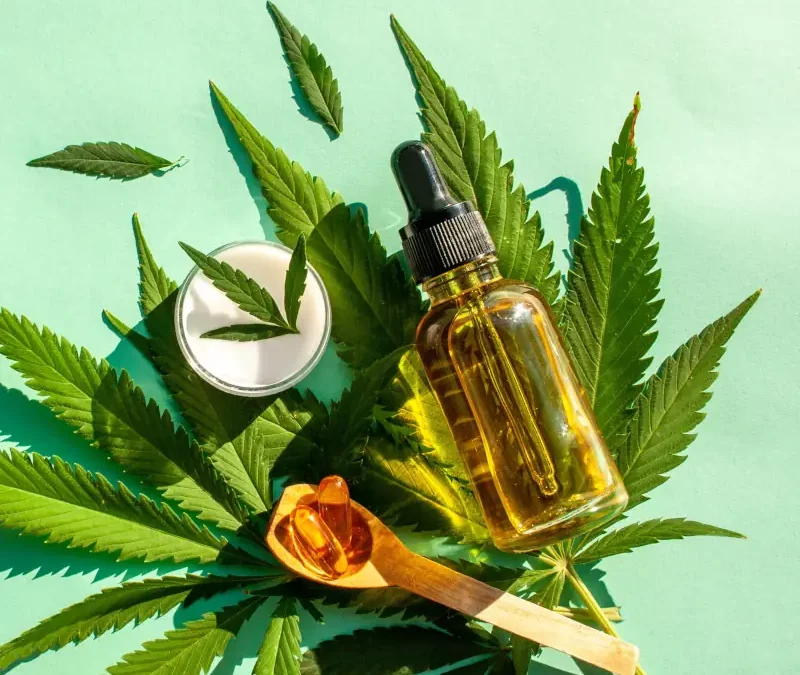
Archaeological evidence shows that hemp is one of the oldest cultivated plants, with use dating back more than 10,000 years. Early records from ancient China describe hemp being grown for its strong fibers, which were used to make rope, clothing, fishing nets, and even some of the earliest known forms of paper.
In Mesopotamia and other early civilizations, hemp’s strength and durability made it a valuable resource for everyday life. It was renewable, adaptable to different climates, and required little maintenance, qualities that made it easy to integrate into early agricultural systems.
Hemp and Exploration
By the Middle Ages, hemp had become essential to global exploration and trade. European ships relied on hemp to produce ropes, sails, and caulking that could endure months at sea. A single vessel could require tens of thousands of feet of rope, much of it made from hemp fibers. This reliable material helped power the Age of Exploration, supporting the expansion of trade routes and maritime travel around the world.
Hemp in Early America
Hemp played a particularly significant role in colonial America. In the 17th and 18th centuries, it was such an important crop that farmers in several colonies, including Virginia, were required by law to grow hemp. It provided the raw materials needed for rope, canvas, textiles, and other essentials that supported both everyday life and the emerging American economy.
Many of the founding fathers, including George Washington and Thomas Jefferson, grew hemp on their farms. Washington even documented his planting methods in his journals, noting the importance of cultivating high-quality hemp seed. At one point in American history, hemp was so valuable it could be used to pay taxes, underscoring its economic importance.
Decline and Regulation
Despite its long and practical history, hemp cultivation declined sharply in the 20th century. As laws surrounding cannabis tightened, hemp was often mistakenly grouped with psychoactive cannabis, despite containing negligible amounts of THC. This classification led to decades of prohibition that halted domestic hemp production and limited research into its uses.
A Modern Comeback
In recent decades, hemp has made a significant comeback. Scientific understanding and policy have begun to differentiate hemp from psychoactive cannabis, opening the door for renewed agricultural and industrial development. Modern applications include construction materials (such as hempcrete), bioplastics, nutrition, cosmetics, textiles, and more.
Hemp’s fast growth cycle, minimal need for pesticides, and ability to improve soil health have also made it a leading candidate for sustainable farming practices. Today, farmers, innovators, and consumers are rediscovering the plant’s remarkable potential.
Conclusion: A Plant with Deep Roots
The history of hemp is one of resilience and utility. From ancient civilizations to early America and into the modern era, hemp has consistently adapted to meet human needs. As industries look for sustainable solutions and innovative materials, hemp’s role is once again expanding, proving that this ancient plant has a vital place in the future.